
Summer, a season of vibrant energy and abundant growth in the natural world, is characterised in Traditional Chinese Medicine (TCM) by the dominance of the Fire element and the climatic factor of Heat. While the body naturally adapts to seasonal shifts, excessive or prolonged exposure to summer’s particular energies can lead to imbalances, manifesting as specific health issues. The principal external pathogenic factor in summer is Summer Heat (Shǔ), a Yang pathogen that tends to ascend and dissipate, consuming the body’s vital Qi (energy) and Yin fluids (cooling, moistening substances). Often, Summer Heat combines with Dampness, prevalent due to humidity and rain, creating complex Summerheat-Dampness patterns. These climatic influences necessitate a mindful approach to diet, a cornerstone of TCM summer wellness, to maintain balance and prevent illness.
The fundamental dietary principle in summer is to clear heat and generate fluids, while also addressing the common complication of dampness. Foods with cooling or cold natures and those with tastes like bitter and sweet (in moderation, focusing on natural sweetness from whole foods) are often favoured to counteract the prevalent heat. Foods that help drain dampness are also beneficial. Conversely, foods that are heating, greasy, heavy, or excessively cold and raw can exacerbate summer imbalances, potentially hindering efforts for natural heat relief.
Based on the principles of TCM and the properties of foods described in the sources, here are ten foods particularly beneficial for consumption during the summer months:
Top 10 Summer Foods in TCM:
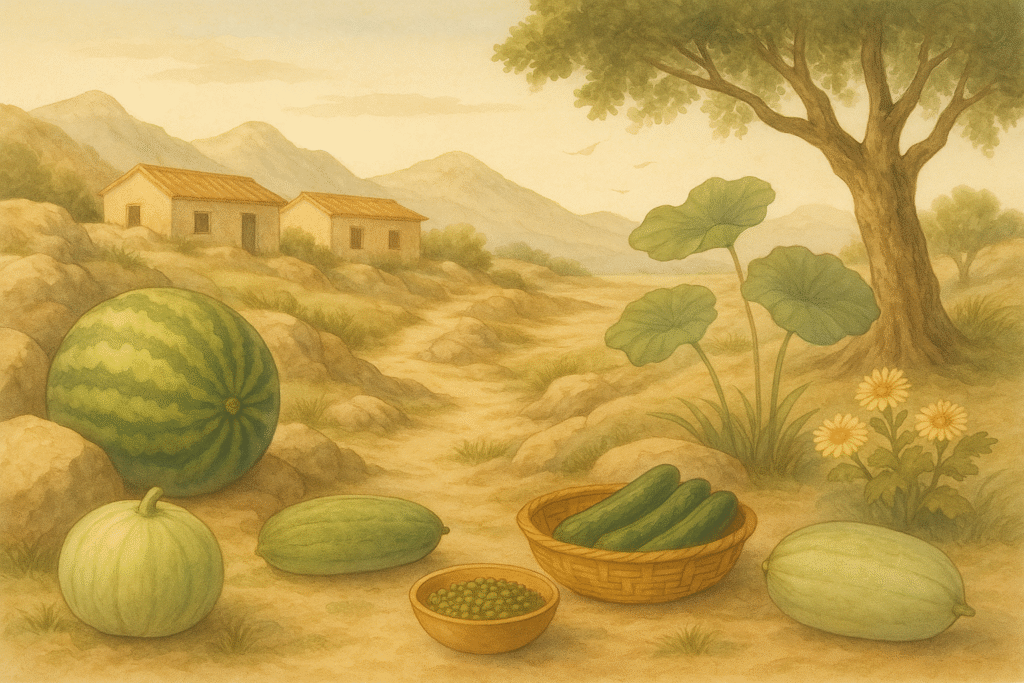
- Watermelon (Xi Gua): Described as sweet and cold in nature. It enters the Heart, Stomach, and Bladder channels. Its functions include clearing summer heat, resolving vexation and stopping thirst, and promoting urination. It is explicitly mentioned for treating severe thirst and is considered a cooling food. Carrie Chauhan, in her book Chinese Herbal Medicine for Beginners, notes that watermelon has a Pinyin name, Xi gua, and is included in the category of Clearing Summer Heat, highlighting its medicinal use as a favorite summer fruit.
- Mung Bean (Lu Dou): Sweet and cool in nature, entering the Heart and Stomach channels. It clears heat, resolves toxins, disperses summerheat, and disinhibits water (promotes urination). Mung bean soup is specifically mentioned as a food eaten in summer because it cools a person down post-digestively. It is used to prevent summerheat symptoms and treat various heat and damp conditions.
- Winter Melon (Dong Gua): Also known as Wax Gourd or White Gourd, it is described as sweetish, neutral and slightly cooling, entering the Lung, Stomach, Large Intestine, and Small Intestine channels. It clears heat (especially summer-heat), detoxifies, quenches thirst, relieves irritability, dispels dampness, and induces diuresis. Winter melon soup is a popular cooling remedy.
- Job’s Tears Seed (Yi Yi Ren): Bland and slightly cold in nature, also described as sweet and slightly cold, entering the Spleen, Stomach, and Lung channels. It leaches out dampness, promotes urination, clears heat, and strengthens the Spleen. Its ability to cool and help drain summer Dampness makes it suitable for hot and humid summer weather.
- Cucumber: Sweetish in flavor, neutral and cooling in nature. It counteracts heat and supplies water, serving as a standard summer food in China. It clears heat and can be used topically for prickly heat.
- Lotus Leaf (He Ye): Bitter, astringent, and neutral in nature, entering the Spleen, Stomach, Heart, and Liver channels. It clears summer heat, drains dampness, raises Spleen Yang (beneficial for summer diarrhea, as it helps to lift and hold), and stops bleeding.
- Chrysanthemum Flower (Ju Hua): Described as acrid, bitter, and cool in nature, entering the Lung and Liver channels. It clears heat, resolves toxins, and brightens the eyes. It is specifically mentioned as making a refreshing summer drink and can be paired with other cooling ingredients for a Hot and Humid Summer Cooler.
- Bitter Melon (Ku Gua/Lai Gua): Bitter in taste and cold in nature. It clears heat, drains wetness (dampness), and detoxifies. It is used for damp-heat and clearing pathogenic heat.
- Watercress (Hsi Yang Ts’ai): Described as acrid, bitter, and cool in nature, entering the Lung, Stomach, and Bladder channels. It clears heat, stops thirst, moistens the lungs, and disinhibits urination. It is considered highly cooling in some folk traditions and is beneficial for vexatious thirst and dry sore throat.
- Pear: Sweet and cool in nature, entering the Lung channel. It clears heat from the lungs, stops cough, and nourishes Yin and Blood. Pears are listed as foods that can help clear excess heat and toxicity.
Foods to Limit or Avoid in Summer According to TCM Principles
Just as some foods are beneficial, others can be detrimental in summer, exacerbating the effects of heat and dampness. According to TCM principles, foods that are hot, spicy, or greasy add heat to the body, consuming Yin and fluids. Fried and roasted foods are also considered very heating due to the cooking methods. Overconsumption of heavy, fatty meats can also generate dampness.
Additionally, while cooling foods are good, consuming excessively cold and raw foods can damage the Spleen and Stomach Yang Qi, weakening the digestive fire. This is particularly true of foods eaten directly from the refrigerator or iced drinks. Overindulging in dairy products and concentrated sweets can also produce dampness, which is problematic in a damp summer climate.
By consciously selecting foods that align with the energetic needs of the summer season, such as those that cool, hydrate, and manage dampness, we can actively support our body’s innate wisdom. This mindful approach to nourishment, rooted in the time-tested principles of Traditional Chinese Medicine, offers a practical way to cultivate greater balance, vitality, and resilience, allowing us to more fully enjoy the vibrancy of summer while safeguarding our well-being.