
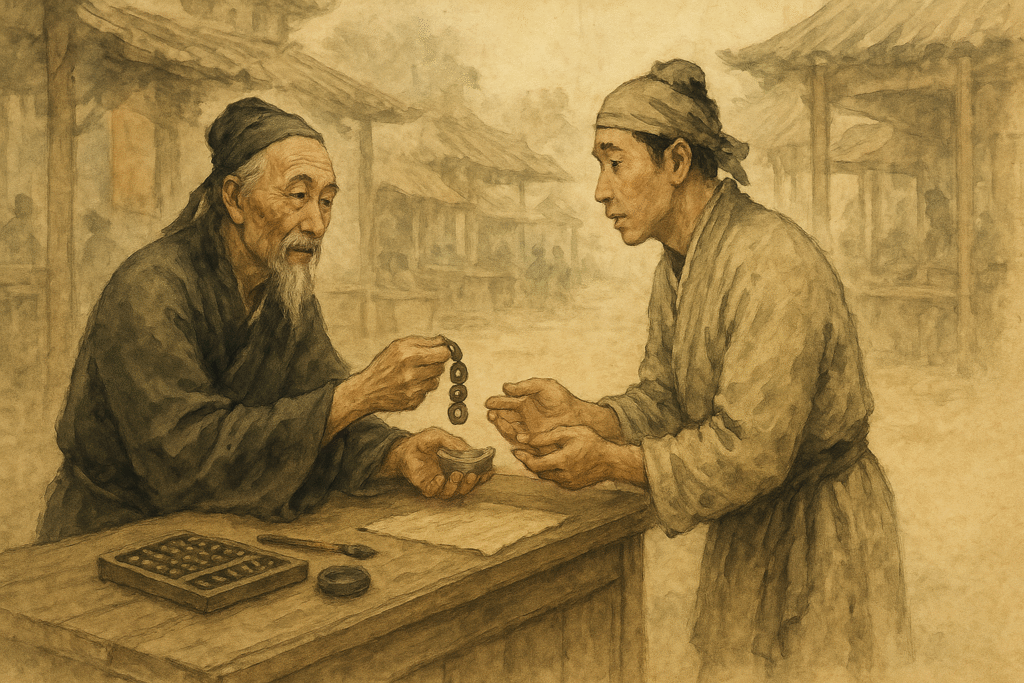
The landscape of sourcing traditional Chinese medicinal (TCM) herbs, particularly in countries like the United States, is complex and evolving. While TCM practice is deeply rooted in its historical materia medica, external factors such as trade dynamics and tariffs can significantly impact the cost and availability of imported herbs, prompting a closer look at alternatives and local resources.
Traditional Chinese herbal products in the United States are often sold as dietary supplements under the Dietary Supplement Health and Education Act (DSHEA), which allows for claims about structure and function but not disease claims. Federal regulation on the safety, quality, and effectiveness of these supplements is important for consumer trust, with information on constituents, contraindications, safety, dosage, and mechanism becoming more available. However, concerns persist regarding the quality and safety of imported Chinese herbal medicines, including issues like the potential presence of synthetic drugs, scheduled herbs, heavy metals, and pesticides. Adulteration, where one herbal ingredient is substituted for another with reputedly similar properties but which may be botanically unrelated or even toxic, is also a significant concern. This variability and uncertainty regarding imported crude materials has, in some cases, led authorities in countries like the UK to ban certain products and has underscored the need for enhanced regulation and quality assurance.
The increasing use of herbal medicine globally, including Chinese herbs spreading to the US and other Western countries as part of the multi-billion dollar herbal industry, necessitates heightened awareness of potential side effects, toxicity, and interactions. Instances of adverse events linked to Chinese herbal products containing potent herbs have urged tighter control over imported materials.
Given potential disruptions to supply from China due to factors like trade sanctions, pollution, loss of habitat, and the costs associated with meeting import regulations and quality standards like Good Manufacturing Practices (GMPs), the search for alternative or local sources becomes increasingly relevant.
Exploring Alternatives: Western Herbs Through a TCM Lens
TCM’s approach to understanding and using herbs isn’t limited solely to plants originating from China. The fundamental theories and principles of TCM, such as classifying herbs by their taste, temperature, and effect on meridian channels, can, in principle, be applied to understand and utilise non-Chinese plants. This involves analysing European and North American herbs from an Oriental medicine viewpoint. The integration of non-Chinese plants into Chinese medicine has historical precedent, with the Chinese themselves incorporating herbs from other regions over time.
For practitioners and patients in the West, there is a growing impetus for herbalists to know and use plants from their own bioregions. While Chinese medicine has taken root in the Americas, a significant dependence on imported herbs remains. However, many plants used in Chinese medicine are already growing in the Americas, either as native plants, non-native weeds, or cultivated varieties. Examples include forsythia fruit, honeysuckle flower, clematis vine, schizandra fruit, and kudzu, as well as glehnia, eclipta, cyperus, and round-leaf vitex.
Several Western herbs offer potential for integration or are already recognized within TCM frameworks. Examples include:
- Western Black Cohosh (Actaea racemosa): Closely related botanically to Chinese black cohosh (Shēng Mǎ), the Western variety is considered to function very similarly, allowing a Chinese herbalist to potentially use it with comparable results.
- Western Vitex (Vitex agnus-castus): Related to Chinese species like Màn Jīng Zǐ (Vitex rotundifolia), V. agnus-castus is employed medicinally in very different ways, described as acrid, bitter, strongly moving, yet neutral and non-drying.
- American Ginseng (Panax quinquefolius): Native to North America, known in TCM as Xī Yáng Shēn (“Western ginseng”), it is a standard medicinal adopted from outside China.
- Dandelion (Taraxacum officinale): A common Western herb, also known by its Chinese name Pú Gōng Yīng, used by Western practitioners alone or in formulas.
- Licorice Root (Glycyrrhiza glabra): Used in the West and widely in TCM as Gān Cǎo, it originated outside China but is a standard TCM herb.
- Echinacea (Echinacea spp.): Originating from the Americas, used by Western herbalists as an “Herbal Ally.”
- Marshmallow Root (Althaea officinalis): A Western “Herbal Ally” used alone or in formulas.
- Elecampane (Inula helenium): A Western “Herbal Ally” for use alone or in formulas.
- Osha Root (Ligusticum porteri): A North American native Western “Herbal Ally.”
- Goat’s Rue (Galega officinalis): A Western herbal remedy sometimes used alongside Chinese patent remedies.
- Devil’s Club (Oplopanax horridus): A North American Western herbal remedy used in conjunction with Chinese patent remedies.
- Willow Bark (Salix spp.): Various Salix species are used medicinally in China and the West, with Western willow bark considered an analogue.
- Yellow Dock (Rumex crispus): Listed as a Western analogue; Rumex species are used in both Chinese and Western traditions.
- Yerba Mansa (Anemopsis californica): A Western herb listed as a Western analogue.
- Yerba Santa (Eriodictyon californica): A Western herb listed as a Western analogue.
- Yucca Root (Yucca spp.): Western herbs listed as Western analogues.
- Greater Celandine (Chelidonium majus): A Western herb that originated outside China but is part of the standard TCM repertoire.
- Saint John’s Wort (Hypericum perforatum): While Herba Hyperici Japonici is a Chinese herb, the Western H. perforatum is a well-known related medicinal.
- Hawthorn (Crataegus spp.): The fruit, Shān Zhā, is a common Chinese medicinal; Hawthorn species are also widely used in Western herbalism.
- Sweet Flag (Acorus calamus): Known as Shí Chāng Pú in TCM, this plant is also found and used in the West.
It is crucial to understand that while some Western herbs may serve as alternatives or analogues for specific Chinese herbs, or are used alongside them in Western clinical practice, a simple one-to-one replacement is often ill-advised. Chinese herbs possess specific properties profoundly influenced by their terroir – the unique combination of soil, climate, and growing conditions – as well as harvest time and traditional preparation methods (Pao Zhi). These factors are integral to an herb’s energetic profile and therapeutic action. Furthermore, the efficacy of many herbs is realized through their synergistic interaction within complex formulas. Consequently, only a qualified practitioner with expertise in both TCM and Western herbalism is equipped to make appropriate and effective substitutions.
The Intricacies of Substitution and Formulation
While theoretically, Western herbs can be analysed and classified according to TCM principles, the practice of TCM herbal medicine primarily relies on complex formulas, not single herbs used in isolation. A formula is a meticulously constructed combination of herbs designed to treat a specific pattern of disharmony in an individual patient. Many components in a Chinese herbal prescription may have limited effect when used alone, providing benefit only when combined appropriately with others.
Creating effective formulas involves selecting principal herbs, supporting herbs, balancing herbs (to counteract potential side effects or balance the formula’s nature), and catalysts. TCM practitioners nearly always use balancing herbs; for example, adding a small amount of cooling herbs to a warming formula. This intricate interplay of multiple herbs, each with properties shaped by its origin and preparation, makes direct substitution exceptionally challenging and potentially ineffective. The interchangeability of formulas or ingredients demands profound consideration. Therefore, while individual Western herbs can be explored based on their TCM energetic properties, substituting them into traditional Chinese formulas or finding a perfect Western equivalent for a complex Chinese formula is a task requiring significant expertise in TCM theory, materia medica, and pattern differentiation. Some herbs, due to their unique cultivation requirements, specific phytochemical profiles developed in their native environments, or traditional processing methods, may have no true equivalent outside their original context.
Sourcing, Quality Control, and Sustainability
The increasing cost of imported herbs due to tariffs may further drive interest in locally grown or wildcrafted herbs in the West. Preparing one’s own herbal medicines can significantly lower costs, although purchasing prepared products can be expensive. Beyond cost, local cultivation or ethical wildcrafting can address concerns about quality, cleanliness, and sustainability. Issues such as inconsistent quality, contamination (pesticides, heavy metals, dirt, insects), adulteration, and unsustainable harvesting of wild plants (like American ginseng or Dan Shen, which face demand outpacing supply and are prone to adulteration) are significant challenges in the global herbal supply chain. Sourcing high-quality materials, establishing relationships with farms that minimize pesticide use, and ensuring sustainable practices are crucial, whether sourcing from China or locally.
For consumers, ensuring the quality and identity of purchased herbs is vital, especially with powdered or cut material where adulteration is easier to conceal. Reputable manufacturers are generally preferred for purchasing bulk dried herbs and herbal products.
Navigating the shifting terrain of TCM herb sourcing, influenced by tariffs and global trade dynamics, necessitates a multifaceted and informed approach. The exploration of Western herbs through the lens of TCM principles, coupled with the increasing availability of traditionally Chinese-used plants in Western regions, offers promising avenues for local sourcing. Yet, the sophisticated art of TCM formulation, deeply rooted in the specific qualities of herbs often tied to their origin and preparation, means that substituting herbs or adapting formulas demands a profound, nuanced understanding of its theoretical underpinnings and diagnostic methods. Continuous vigilance regarding quality control, the prevention of adulteration, and the promotion of sustainable harvesting practices remains essential, regardless of an herb’s geographical origin, highlighting the paramount importance of expert guidance from trained TCM practitioners for effective and individualized herbal strategies.